Do Dogs Need Supplements?
Sometimes yes, sometimes no. Many dogs do perfectly well on a complete, balanced diet, but some benefit from extra support for joints, calm behaviour, digestion, skin, or urinary health. The key is choosing supplements for the right reason, not just because they look healthy on the shelf.

If you have ever stood in front of a page full of dog supplements and wondered whether your dog actually needs any of them, you are not alone. It is a sensible question, and the honest answer is that supplements are not a requirement for every dog. However, they can be useful when a dog has a specific need, is moving into an older life stage, or would benefit from extra nutritional support alongside a good daily routine.
For most owners, the better question is not do dogs need supplements in general, but could my dog benefit from the right supplement at the right time?
Quick answer
- Healthy dogs on a complete diet may not need extra supplementation every day.
- Older dogs often benefit from support for mobility, joints, calmness, digestion, or urinary health.
- Active dogs and large breeds may need extra joint support sooner than owners expect.
- Dogs with specific concerns should always be discussed with a vet before adding anything new.
When a complete diet may already be enough
In the UK, many quality dog foods are formulated to be complete and balanced. That matters, because a well-made daily food should already provide the essentials a healthy dog needs for normal maintenance. If your dog is thriving, has a shiny coat, a healthy appetite, good energy, and no obvious health concerns, you may not need to add anything straight away.
This is where some owners go wrong. They treat supplements as a replacement for good nutrition, exercise, weight management, and regular vet care. In reality, even the best supplements for dogs work best as part of an overall care plan, not as a shortcut.
So when do dog supplements make sense?
Dog supplements make more sense when there is a clear purpose behind them. For example, some dogs start slowing down with age, some become stiff after long walks, and some need support in areas like urinary comfort or settling during stressful situations. In those cases, a carefully chosen supplement can be a practical addition to everyday care.
1. Joint and mobility support
This is one of the most common reasons owners look for dog supplements in the UK. Larger breeds, senior dogs, very active dogs, and dogs with a history of stiffness often need more help keeping comfortable and mobile. If your dog struggles after exercise, is slower getting up, or seems less enthusiastic on walks, it may be time to look at joint support.
Ingredients often associated with dog supplements joints formulas include glucosamine, chondroitin, MSM, and other ingredients aimed at helping maintain normal joint function and supporting cartilage and connective tissue. They are especially popular with owners asking do dogs need joint supplements as their pets get older. For a full breakdown of ingredients and what to look for, see our guide to joint supplements for dogs. For weight, exercise and daily habits at every life stage, see our joint care for dogs guide.
2. Urinary support
Some dogs benefit from extra urinary support, particularly if they are prone to recurring discomfort or need help maintaining normal urinary tract health. This is an area where consistency matters. The goal is not to self-diagnose a problem at home, but to support day-to-day wellbeing while keeping an eye on changes that need veterinary advice.
3. Calming support
Not every dog is naturally relaxed. Travel, fireworks, visitors, separation, or a change in routine can all affect behaviour. A calming formula may suit dogs who become unsettled more easily and need help feeling balanced in stressful moments.
4. Skin, coat, digestion, or general wellness
Some dogs may also benefit from supplements designed for skin condition, digestive comfort, or broader wellbeing. The important thing is to match the product to your dog’s actual needs rather than layering multiple supplements without a clear plan.

Do dogs need vitamins?
Owners often ask do dogs need vitamins, especially when they want to do the best for a much-loved pet. In many cases, a healthy dog eating a complete food will already be getting the core vitamins and minerals it needs. Extra vitamins are not automatically better.
Where vitamin support can become useful is when a dog has a particular nutritional gap, a special diet, a health issue already being managed with veterinary guidance, or a life stage where targeted support is helpful. That is why choosing a supplement should be thoughtful rather than impulsive.
What age do dogs need joint supplements?
There is no single age that suits every dog. Some giant breeds may need joint support while still relatively young, while smaller dogs may not show signs of stiffness until much later in life. Many owners start looking into joint support when their dog reaches middle age, becomes less agile, or has a breed predisposition to joint wear and tear.
So if you are wondering what age do dogs need joint supplements, the answer is usually: when your dog’s breed, size, lifestyle, and signs of stiffness suggest it could help, not simply when the birthday number changes.
Signs your dog may benefit from extra support
- They are slower getting up after rest.
- They hesitate before jumping, climbing stairs, or getting into the car.
- They seem stiff after walks or play.
- They are older and you want to support comfortable movement.
- They become unsettled during travel, fireworks, or routine changes.
- They need ongoing urinary or general wellbeing support.
How to choose supplements for dogs in the UK
The dog supplement market is crowded, which means quality and relevance matter more than marketing promises. When comparing dogs supplements or browsing for supplements for dogs UK, look for products with a clear purpose, straightforward ingredient information, sensible directions, and a brand that does not overpromise.
It is also wise to introduce only one new supplement at a time, follow the label, and speak to your vet if your dog is on medication, has a health condition, or develops new symptoms. A supplement should support normal wellbeing, not distract from getting proper advice when it is needed.
Powdorum pet supplements to explore
If you are looking for carefully selected options for daily support, these Powdorum formulas are a good place to start.
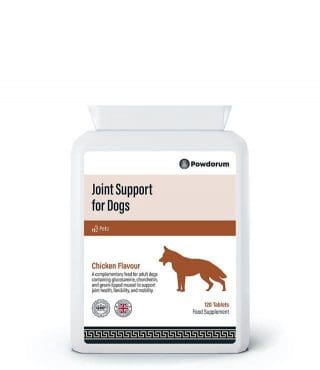
Pet Joint Support – 120 Tablets
Ideal for dogs who need extra support for mobility, flexibility, and everyday comfort, especially as they get older or stay highly active.
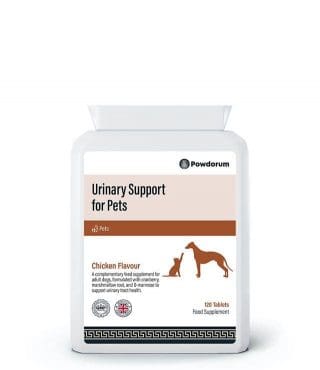
Pet Urinary Support Complex – 120 Tablets
A targeted formula for dogs who may benefit from ongoing urinary tract support as part of a consistent wellness routine.
Pet Calming Complex – 120 Tablets
Helpful for dogs that become unsettled during stressful situations such as travel, noise, separation, or changes in routine.
Final thoughts
So, do dogs need supplements? Not always. But the right supplement can still make a meaningful difference when your dog has a genuine area that needs support. A complete diet remains the foundation, yet targeted supplements can be a useful addition for joints, urinary health, calm behaviour, and overall wellbeing.
The best approach is simple: know your dog, watch for changes, choose products with a clear purpose, and use them as part of a loving, sensible care routine.
Frequently asked questions
Are dog supplements necessary every day?
No. Some dogs do not need daily supplements if they are healthy and eating a complete, balanced diet. Others benefit from daily support when they have specific needs.
What are the best supplements for dogs UK owners usually look for?
Joint support, calming support, digestive support, skin and coat formulas, and urinary support are among the most searched categories.
Can dogs take human supplements?
Not without veterinary advice. Human supplements may contain ingredients or dosages that are unsuitable for dogs.
Do senior dogs need more support than younger dogs?
Often yes. Older dogs are more likely to need support for mobility, calm behaviour, and overall day-to-day comfort.